

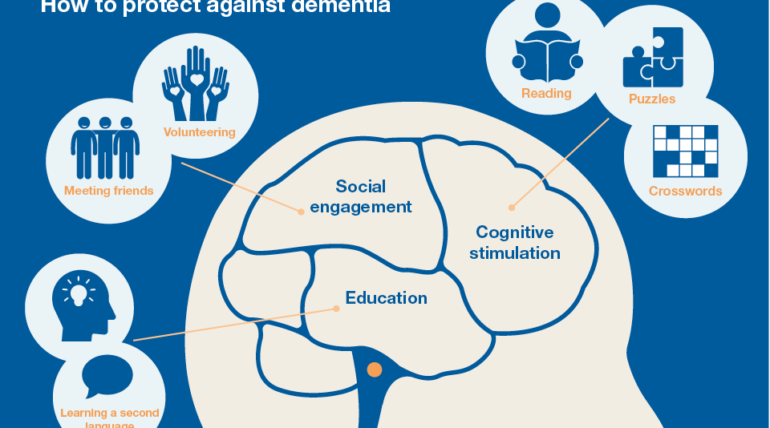
Alzheimer’s disease affects millions of people worldwide, impacting not only patients but also their families and communities. While research often focuses on medical treatments and genetic factors, the role of social connections in maintaining brain health is equally vital. In this blog, we explore how social interactions and community engagement can help reduce the risk of Alzheimer’s and promote cognitive well-being.
Studies have shown that chronic social isolation and loneliness can increase the risk of cognitive decline and dementia. Without regular social engagement, the brain lacks stimulation, which can weaken neural connections and accelerate memory loss.
- People with fewer social ties have a 50% increased risk of developing dementia.
- Loneliness has been linked to higher levels of stress hormones, which can damage brain cells over time.
Maintaining an active social life provides cognitive stimulation, emotional support, and a sense of purpose, all of which contribute to better brain health. Key ways social connections help include:
- Stimulating the Brain: Conversations and shared activities challenge the brain, keeping it sharp and engaged.
- Reducing Stress: Supportive relationships help reduce stress and anxiety, which can lower the risk of brain cell damage.
- Building Cognitive Reserve: Strong social ties contribute to a more resilient brain, delaying the onset of symptoms even if Alzheimer’s develops.
Building and maintaining social ties doesn’t require grand gestures—small, meaningful interactions can make a significant difference. Here are some practical ways to stay connected:
- Join a local club or community group.
- Volunteer for a cause that matters to you.
- Participate in group activities like book clubs or exercise classes.
- Stay in touch with friends and family through regular calls or video chats.